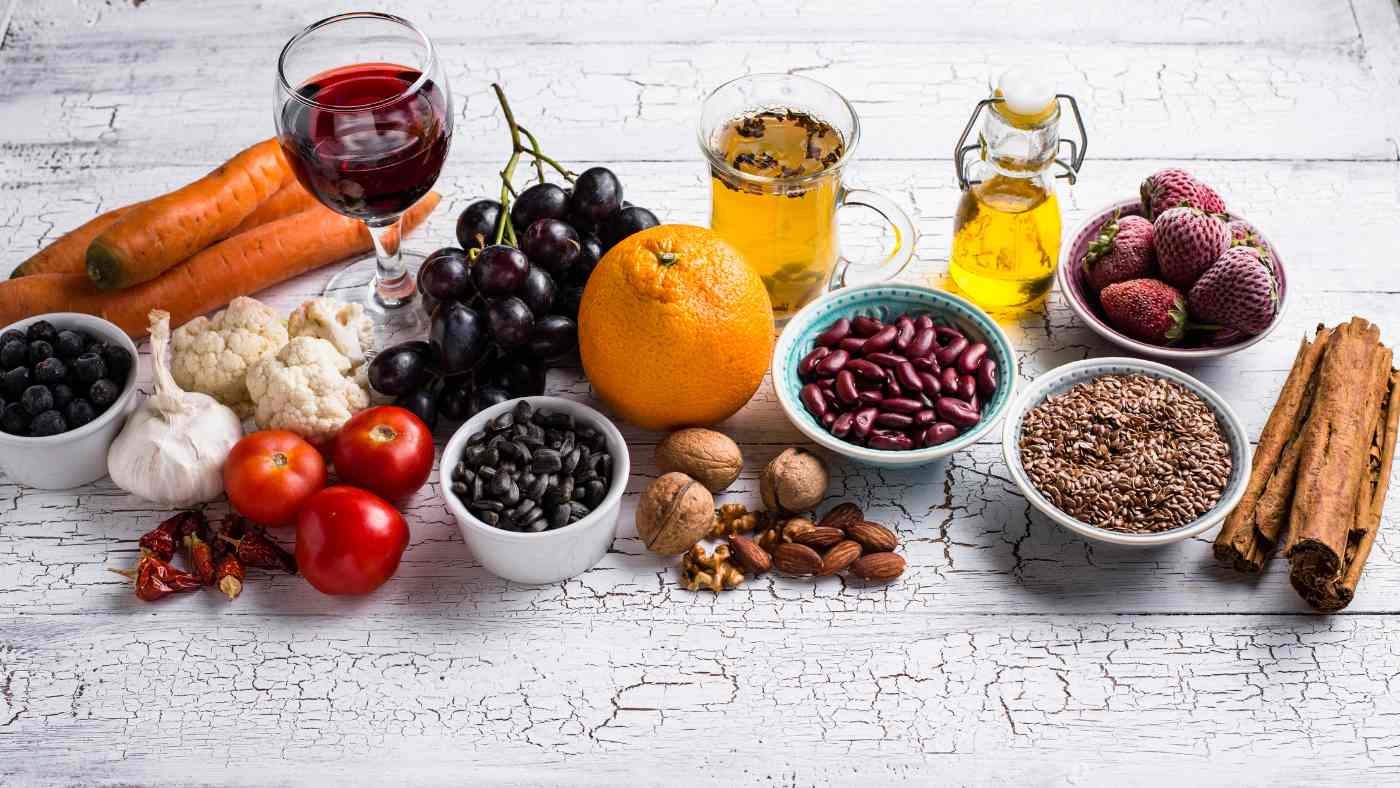
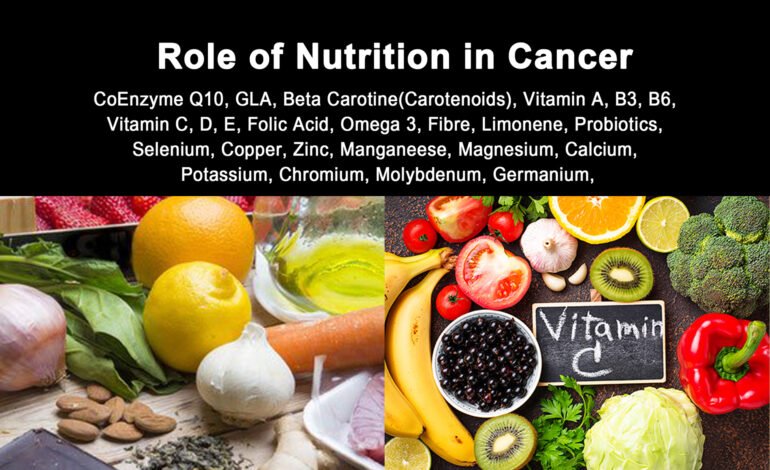

Nutrition plays an important role in the treatment and prevention of cancer. Nutrients can be divided into two groups, which include Energy nutrients and Protector nutrients. Vitamins and minerals (such as B vitamins and magnesium), which help in the process of “converting food into energy” by activating enzymes, are known as Energy nutrients, and nutrients (such as beta-carotene, vitamin C, vitamin E, copper, manganese, selenium and zinc), which protect the body from environmental pollutants, toxins and radiation, etc., are called Protector nutrients. Most of the Protective nutrients act as antioxidants by eliminating free radicals (highly reactive, unstable molecules) produced when food is converted into energy.
Vegetarian diets are rich in fiber, micronutrients, and antioxidants. A study of 1,200 people over the age of 66 found that vegetarians had a lower risk of cancer than non-vegetarians. Another study conducted at the Institute for Experimental Pathology, German Cancer Research Center, Heidelberg, Germany, found that blood samples from vegetarians had higher levels of cancer-fighting factors like carotene and glutamine transferase. Furthermore, vegetarians had twice the activity of Natural Killer Cell (NK Cell) compared to non-vegetarians.
Amino acids (Protein) play an important role in the treatment and prevention of cancer. L-Arginine enhances the anti-cancer activity of natural killer cells (NK cells), cytotoxic T lymphocytes (CTLs) and other immune cells. N-acetyl cysteine is a sulfur-containing amino acid that plays an important role in DNA synthesis, inhibits angiogenesis, enhances the body’s immune system, and reduces the toxic effects of radiotherapy and chemotherapy. N-acetyl cysteine is a precursor of glutathione that protects DNA from the damaging effects of free radicals. Another sulfur-containing amino acid known as methionine increases the survival time of liver cancer patients.
Coenzyme Q10 (Ubiquinone) is found in soybeans, grape seeds, sesame seeds, walnuts and spinach. Coenzyme Q10, along with beta-carotene, vitamin E and selenium, protects liver, kidney and heart tissues from free radicals. Coenzyme Q10 prevents the genesis of cancer by increasing the activity of macrophages. A study conducted on advanced cases of breast cancer showed complete regression of tumors after the application of Coenzyme Q10.
Gamma Linolenic Acid (GLA) is found in black currant oil, evening primrose oil and breast milk. Gamma Linolenic Acid inhibits the growth of cancer by producing beneficial Eicosanoids (PGE-1). This action of GLA is promoted by vitamin B3, vitamin B6, vitamin C and zinc. Studies have shown that the combination of GLA and vitamin C increases survival time in liver cancer patients.
Beta-carotene is a precursor to vitamin A. It is found in carrots, sweet potatoes, spinach, most vegetables and yellow fruits. Beta-carotene increases the body’s immunity against cancer by increasing the activity of Natural Killer Cells (NK Cells). It also acts as an antioxidant. Beta-carotene protects the body from many cancers, such as cervical, lung and stomach cancer.
Vitamin A is known to increase the activity of immune cells in the body in cancer. Clinical studies have shown significant regression of tumors in patients with Squamous Cell Carcinoma of the Lungs after 15 months of vitamin A administration. Vitamin A also protects the body from malignant melanoma. A derivative of vitamin A, called 13-Cis-Retinoic Acid, has shown good results in squamous cell carcinoma of the head and neck.
Vitamin B3 or Niacin (Nicotinic Acid) – Studies have shown that Vitamin B3, at a dose of 50 mg, is effective in the treatment of cancer. Vitamin B3 also enhances the therapeutic effects of radiotherapy and chemotherapy.
Vitamin B6 is found in bananas, apples, carrots, sweet potatoes, and leafy green vegetables. Vitamin B6 boosts the body’s immune system. It protects the respiratory tract from environmental pollution and infections. Vitamin B6 inhibits the growth of various cancers, including liver and uterine cancer. It also protects against the side effects of radiotherapy. A study conducted on 33 patients with bladder cancer found that the recurrence of cancer was significantly reduced after vitamin B6 was administered.
Vitamin C is found in many fruits and vegetables, especially citrus fruits and broccoli. Vitamin C stimulates natural killer cells (NK cells) by increasing the production of interferon, thereby boosting the body’s immune system. It inhibits the growth of cancer by reducing the production of nitrosamines. Vitamin C protects the body from the toxic effects of chemotherapy and radiotherapy. Studies conducted in Scotland and Canada have shown that vitamin C increases survival and improves quality of life in terminal stages of cancer. Vitamin C prevents the direct spread of cancer by stabilizing and strengthening the connective tissue around the cancer.

Broccoli is rich in vitamin C, which helps prevent cancer. It is high in folate, which helps prevent cervical cancer. It is high in beta-carotene, which helps protect the body from lung cancer.
Vitamin D and its metabolites inhibit angiogenesis (formation of new blood vessels) and prevent the growth of cancer. It promotes apoptosis (programmed cell death) in cancer cells. Vitamin D converts cancer cells into normal cells. Research conducted in Australia has shown that vitamin D protects the body from prostate cancer. Prostate cancer is found to be more common in northern regions (Iceland, Denmark, and Sweden) due to limited natural sunlight.
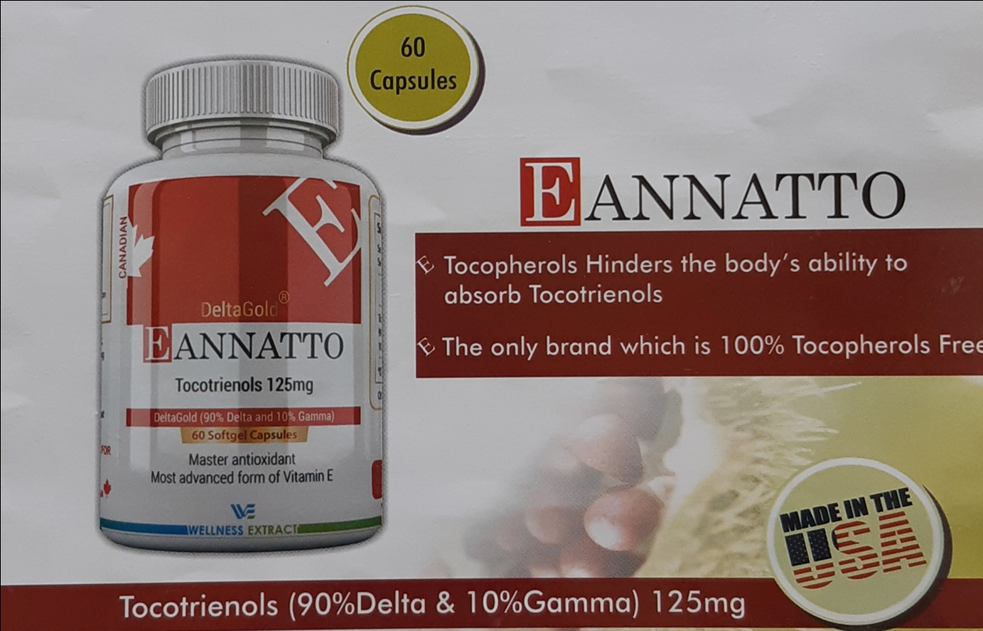
Vitamin E is found in green leafy vegetables, wheatgrass, and unrefined vegetable oils. It protects the body from various carcinogens due to its powerful antioxidant and detoxifying activities. A study conducted on patients with oral leukoplakia showed recovery in 46 percent of cases after taking vitamin E (400 IU twice daily) for 24 weeks. Vitamin E protects the body from many cancers, especially colon cancer. It also reduces the toxic side effects of chemotherapy and radiotherapy. (Tocopherol)
Folic acid – Folic acid is found in cabbage, green leafy vegetables, citrus fruits, and dairy products. It plays an important role in the synthesis of DNA. Folic acid protects the body from many cancers, especially cervical cancer.
Omega-3 fatty acids are found in fish and vegetable oils (flaxseed, pumpkin seeds, sunflower and walnuts). They play an important role in the normal functioning of cells. Omega-3 fatty acids protect the body from cancer by inhibiting the production of harmful eicosanoids (such as PGE-2). Omega-3 fatty acids protect the body from breast and liver cancer. Omega-3 fatty acids enhance the therapeutic effects of chemotherapy and radiotherapy by modifying the cell membranes of cancer cells. Omega-3 fatty acids should be consumed in moderate amounts.
Genistein and Diadzein are natural phytoestrogens found in soybeans and other legumes. Genistein and Diadzein inhibit the growth of hormone-dependent cancers by blocking the action of estrogen. Studies have shown that genistein prevents mutations in certain oncogenes. It also has antioxidant activity.
Limonene – Limonene is found in citrus fruits, spices, and essential oils. Limonene and one of its derivatives, called perillyl alcohol, have been found to inhibit tumor growth. Limonene also enhances the detoxification process in the liver.
Fibre – Found in green vegetables, fruits and whole grains, fibre helps to remove toxins from the digestive tract, protecting the body from cancer. Inositol hexaphosphate is found in high-fibre foods such as legumes, cereals and citrus fruits. Studies conducted by the Fred Hutchinson Cancer Research Centre in Seattle, Washington, have shown that inositol hexaphosphate has anticancer activity.
Lactobacilli – Normally found in the human gut, lactobacilli are friendly bacteria that detoxify chemical carcinogens and directly protect the body from cancer. Lactobacilli produce B vitamins, which boost the body’s immune system. A study of 138 patients with bladder cancer showed a significantly lower incidence of recurrence after the use of lactobacilli. Another study of 100 patients with advanced stage cancer showed a longer survival and improved quality of life after the use of lactobacilli bulgaricus.
Selenium is a trace mineral found in fruits and vegetables. Selenium is essential in the synthesis of an enzyme called glutathione, which plays an important role in the body’s detoxification process. Selenium also increases the activity of natural killer cells and stops micro-metastases. Selenium protects the body from cancer by stimulating DNA repair enzymes. Data collected from 17 countries have shown that low dietary selenium intake can lead to the genesis of leukemia and several cancers such as colon, rectum, prostate, ovary, breast and lung. A study conducted in Finland found that people with serum selenium levels less than 45 mcg per liter were three times more likely to develop cancer.
Copper is a trace element that is necessary for the proper functioning of immune cells in the body. Copper is an essential co-factor in the synthesis of an important group of enzymes, known as cupro-enzymes, which protect the body from cancer.
Zinc – Found in onions, cereals, soybeans and sunflowers. It is essential in the synthesis of DNA. Zinc protects the body from many cancers, especially prostate cancer by increasing the activity of immune cells. Zinc has an antagonistic relationship with copper, i.e. too much of one causes a deficiency of the other.
Germanium is a trace element that increases the availability of oxygen to cells. Germanium inhibits the growth of cancer because cancer cells cannot survive in oxygen-rich conditions. A study conducted in Japan on inoperable cases of small-cell lung cancer showed prolonged survival and fewer side effects after the use of germanium in combination with chemotherapy and radiotherapy.
Molybdenum is a trace element that is required in small amounts (150-500 mcg per day) for the detoxification of alcohol, aldehydes, sulfites, and copper-containing compounds. Molybdenum protects the body from various cancers, especially Esophageal cancer |
Chromium – Chromium is essential in the synthesis of glucose tolerance factor (GTF). Chromium protects the body from cancer by regulating blood sugar levels and improving immune function. Long-term consumption of refined foods (such as white sugar and white flour), which are very low in chromium, can lead to hyperglycemia.
Potassium protects the body from cancer because it plays an important role in repairing damaged DNA. A study conducted in China found that high potassium and low sodium intake partially reverses DNA damage.
Manganese – Manganese is a co-factor in the synthesis of many enzymes. Manganese is present as one of the major antioxidant enzymes, superoxide dismutase. It protects the body from cancer. Manganese also counteracts the immunosuppressive effects of the stress hormone (cortisol).
Magnesium – Magnesium is found in nuts, grains, brown rice and green vegetables. It helps maintain pH balance in the blood and other tissues of the body. Magnesium plays an important role in the synthesis of DNA. It protects the body from cancer.
Calcium – Calcium is found in nuts, green vegetables and dairy products. Calcium protects the body from colon cancer. Calcium should be taken with magnesium because magnesium helps in the absorption of calcium.
Learn more –
https://www.cancer.gov/about-cancer/treatment/side-effects/appetite-loss/nutrition-pdq